Best Time to Visit Himalaian Treks Winter 2024-2025

Best Time to Visit Himalayan Treks for Winter Season 2024-2025: Your Complete Planning Guide
Why Winter (January-March 2024-2025) is Prime Time for Himalayan Treks
The Appeal of Winter Himalayan Treks
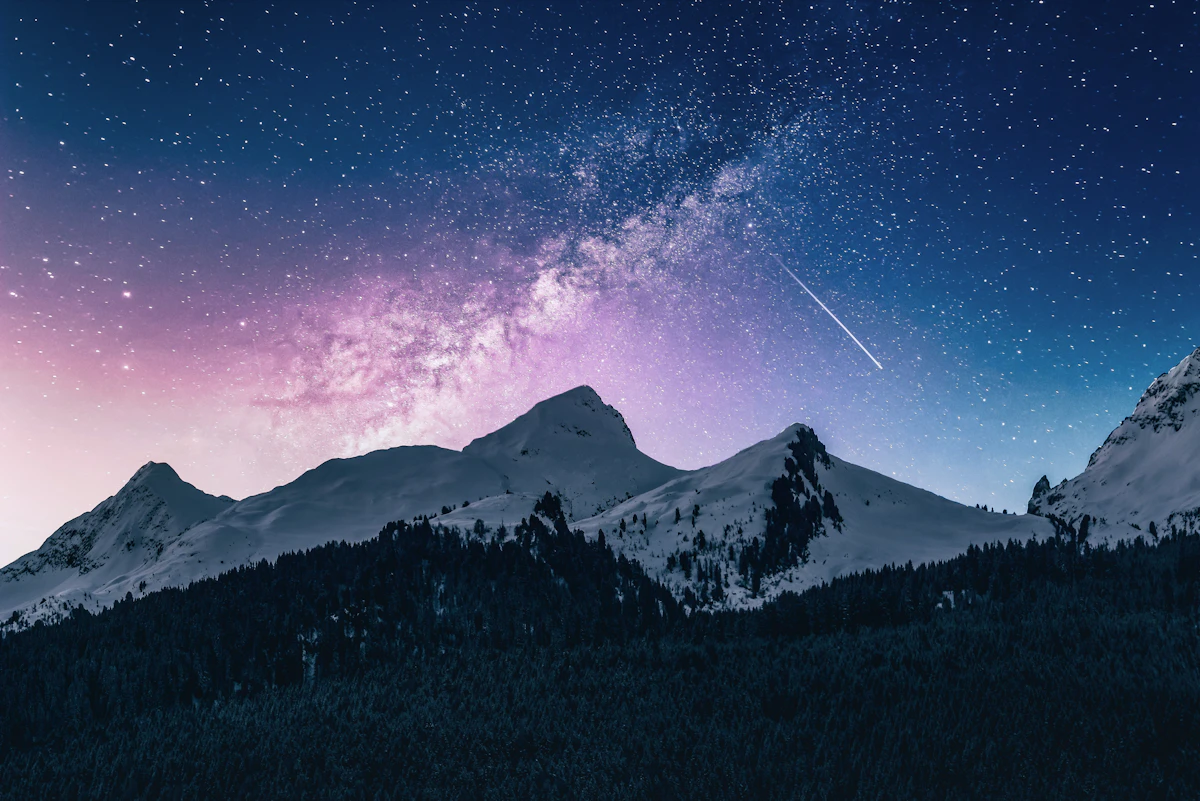
The **best month for trekking in the Himalayas** is **January**, when the snow blanket creates a pristine, silent world. During January‑March 2024‑2025, you experience **snow-covered landscapes** that are simply unattainable in monsoon or summer, with crystal‑clear views of peaks like Kedarkantha, Brahmatal and Har Ki Dun. Crowds thin to a fraction, turning popular trails into private adventures, while the crisp, dry air offers perfect climbing conditions and an unparalleled sense of solitude.
- Picture‑perfect snow vistas that capture the wild essence of the Garhwal Himalayas.
- Fewer trekkers mean safer, less congested routes and more personalized guide support.
- Stable weather after the monsoon season reduces unexpected rainfall and landslides.
Commercial Advantages: Booking Winter 2024-2025 Early
Securing your spot now for **Himalayan treks 2024-2025** guarantees the best selection of **winter trekking** packages, especially on celebrated routes such as the Kedarkantha Winter Summit and Brahmatal Frozen Lake treks. Early booking often unlocks exclusive discounts, guaranteed accommodation and priority access to limited‑capacity guides, ensuring you lock in the most competitive rates before prices rise with demand.
- Early‑bird incentives: up to 15% off when you book before November 2024.
- Priority gear rental and personalized itinerary adjustments based on real‑time snow conditions.
- Flexible cancellation policies that protect your investment while you plan your high‑altitude adventure.

Winter Trekking Weather Conditions by Month: January-March 2024-2025
Understanding the winter trekking weather conditions by month is crucial for planning a safe and magical Himalayan adventure in 2024-2025. The winter window from January to March offers distinct landscapes, crowd dynamics, and weather challenges across popular treks like Kedarkantha, Brahmatal, and Har Ki Dun. Here is a detailed breakdown of the Himalayan weather forecast 2024-2025 to help you choose the perfect window for your expedition.
January 2024-2025: Peak Winter Magic and Maximum Snow
January represents the heart of peak winter, draping the Garhwal Himalayas in deep, pristine snow. The January February March trekking conditions in this first month are defined by intense cold and heavy snowfall, creating a true winter wonderland.
- Temperature & Weather: Expect daytime temperatures to hover between -2°C and 5°C, with night temperatures at higher camps dropping well below -10°C. Heavy snowfall is common, especially on trails like Kedarkantha, offering spectacular visual drama but demanding top-tier cold-protection gear.
- Crowd & Booking Insights: Post-New Year crowds begin to trickle in, but the extreme cold acts as a natural filter, keeping trail densities moderate. It is highly recommended to secure your slots at least 6-8 weeks in advance for late January departures.
- Trekking Opportunity: This month is ideal for serious snow trekkers seeking maximum snow depth on the summit slopes and frozen alpine lakes like those on the Brahmatal trek.
February 2024-2025: The Sweet Spot for Comfort and Clarity
February is widely considered the sweet spot for Himalayan winter trekking. The weather stabilizes, offering clear, sunny days with excellent visibility of towering peaks like Mt. Trishul and Swargarohini, while maintaining a reliable blanket of snow.
- Temperature & Weather: Daytime temperatures rise comfortably to 5°C to 10°C under bright winter sun, while nights remain crisp and freezing. The Himalayan weather forecast 2024-2025 suggests stable, dry winds, minimizing the risk of heavy blizzards compared to January.
- Crowd & Booking Insights: February marks the peak season due to winter school breaks and holiday rushes. Trails like Kedarkantha and Brahmatal experience high footfall, with group sizes peaking. Booking 3 to 4 months in advance is strongly advised to secure preferred campsite spots.
- Trekking Opportunity: The combination of comfortable daytime trekking temperatures and peak snow clarity makes this the perfect window for photography, summit pushes, and experiencing the frozen lakes of Brahmatal in their full glory.
March 2024-2025: Transition Month with Early Spring Signs
March brings a beautiful transition to the high Himalayas, blending the lingering snow of winter with the first warm whispers of early spring. The winter trekking weather conditions by month shift towards milder days, though high-altitude nights remain freezing.
- Temperature & Weather: Daytime temperatures in lower valleys and camps can reach 12°C to 15°C, making trekking physically warmer. However, higher altitudes like the Kedarkantha summit camp retain their thick snow caps, and nights still drop below freezing. Sudden localized weather shifts can occur as winter retreats.
- Crowd & Booking Insights: While the first half of March remains popular, the crowd density begins to thin out post mid-March, offering a more serene and solitary trekking experience. It is a great choice for those looking to avoid the February rush.
- Trekking Opportunity: Early spring brings the first buds of rhododendrons along the Brahmatal and Har Ki Dun trails, adding vibrant splashes of red and pink to the snowy landscape, while still offering excellent snow trekking conditions.
Regional Differences in Winter Trekking Conditions 2024-2025
Garhwal Himalayas (Uttarakhand): Reliable Snow and Celebrated Treks
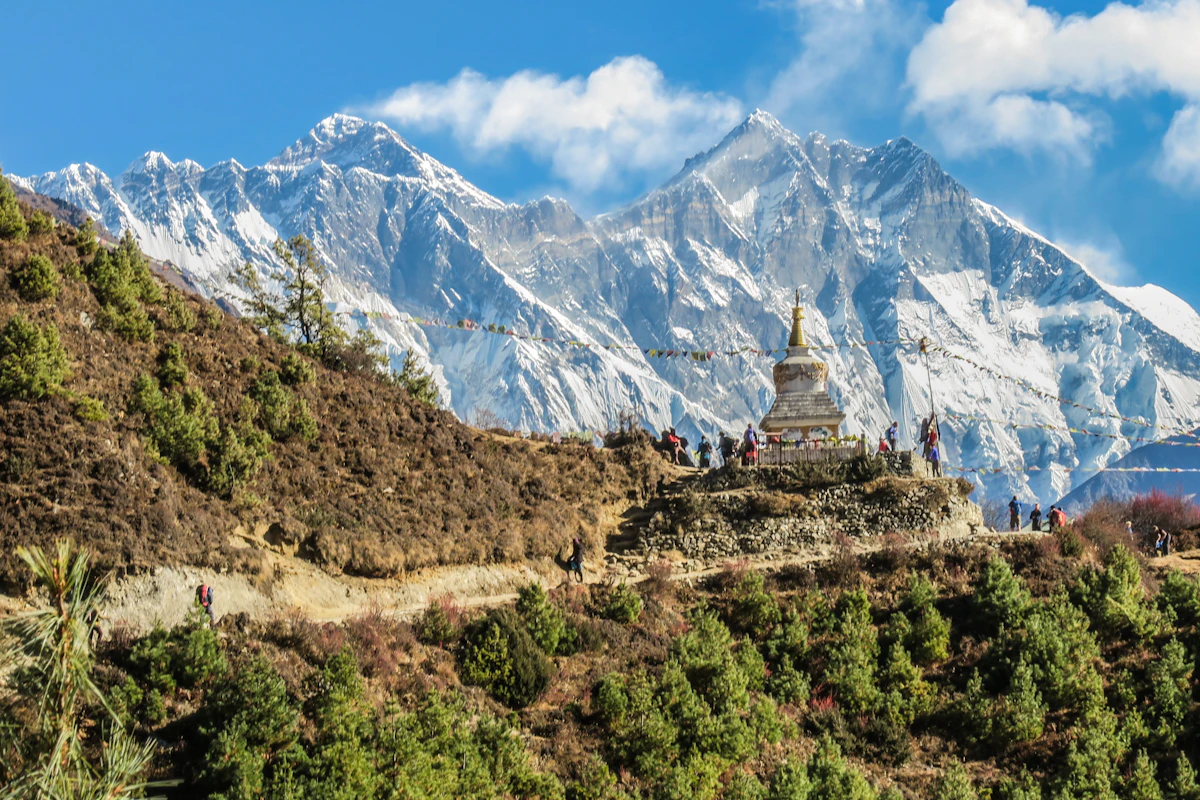
The Garhwal region continues to offer **reliable snow** for winter treks, making it a top choice for adventure seekers in the 2024‑2025 season. Trail conditions on routes like **Kedarkantha Winter Summit** remain stable thanks to consistent snowfall at altitudes above 12,500 ft, while pine forests stay covered in a fresh powder layer that enhances the scenic appeal.
- Reliable Snowfall – early winter brings steady accumulation, preserving trail markers.
- Optimal Window – late December to early February provides the safest trekking period.
- Celebrated Treks – Brahmatal and Kedarkantha are among the few routes with guaranteed winter access.
Kathmandu Valley to Manaslu Circuit: Variable Winter Accessibility
The **Kathmandu Valley to Manaslu Circuit** experiences **variable winter accessibility** due to fluctuating monsoon remnants and occasional heavy snowfall in 2024‑2025. While lower elevations may see clear conditions, higher passes like the Larkya La can become impassable, requiring frequent reassessment of trail status and equipment.
- Variable Weather – intermittent snowfall creates unpredictable surface conditions.
- Season Window – mid‑January to mid‑February remains the most viable period.
- Safety Considerations – mandatory avalanche checks and alternate routes are essential.
Ladakh and Zanskar: Extreme Winter Adventure vs. Limited Access
Both **Ladakh and Zanskar** present an **extreme winter adventure**, yet **limited access** remains a defining factor for 2024‑2025. Harsh temperatures and deep snowdrifts often restrict trekking to only well‑equipped groups, and many high‑altitude passes may be closed due to logistical challenges and weather hazards.
- Extreme Cold – temperatures consistently drop below freezing, demanding specialized gear.
- Limited Accessibility – road closures and restricted permits reduce viable trek dates.
- Niche Opportunities – experienced mountaineers seeking untouched powder can still find rewarding routes in early winter.

Winter Trekking Conditions Comparison Table: Months and Destinations
Use this concise winter trekking comparison to choose the ideal Himalayan trek for the 2024‑2025 winter season. The Himalayan treks 2024-2025 comparison table below highlights altitude, difficulty, best time windows, crowd levels, and unique features for each route.
Kedarkantha Winter Summit Trek vs. Brahmatal Frozen Lake Trek
| Feature | Kedarkantha Winter Summit Trek | Brahmatal Frozen Lake Trek |
|---|---|---|
| Altitude | 12,500 ft (3,810 m) | 12,250 ft (3,735 m) |
| Difficulty | Easy‑Moderate | Moderate |
| Best Time Window (Winter 2024‑2025) | December – February (stable snow cover) | January – March (late‑winter melt) |
| Crowd Levels | Moderate – peak weekends, otherwise manageable | Lower – fewer winter trekkers |
| Unique Features | 360° Himalayan summit view, pine forests with fresh powder | Frozen alpine lake, rhododendron groves, Mt. Trishul vistas |
Goechala Trek vs. Valley of Flowers: Winter Trade-offs
| Feature | Goechala Trek | Valley of Flowers Trek |
|---|---|---|
| Altitude | ~4,300 m (14,000 ft) | ~3,350 m (11,000 ft) |
| Difficulty | Moderate–Difficult (high altitude, steep sections) | Moderate (well‑tracked trails, lower elevation) |
| Best Time Window (Winter 2024‑2025) | Early winter (October–November) before heavy snow | Late autumn (September–October) or early spring; winter access limited |
| Crowd Levels | Low – fewer winter parties due to altitude | Higher – popular attraction, even in shoulder seasons |
| Unique Features | Kanchenjunga panorama, high‑altitude glacial valleys | Alpine wildflower carpet, ancient holy lake, serene meadow |

Crowd Levels and Peak Seasons for Himalayan Treks 2024-2025
Winter transforms the Garhwal Himalayas into a snowbound playground, but not every month draws the same number of trekkers. Understanding winter trek crowd levels helps you choose between a lively trail and a solitary ascent. For the Himalayan trek peak seasons 2024-2025, timing affects everything from campsite availability to the quietude of the summit.
Analysis of trek booking statistics and seasonal demand shows that footfall builds steadily through the winter window as snow cover becomes reliable. Early reservations are strongly recommended, because summit slots and forest camps fill quickly once peak season begins.
February 2024-2025: When Most Travelers Prefer to Trek
February is typically the busiest month for winter treks across Uttarakhand. Longer daylight hours, stable weather windows, and holiday periods drive higher footfall on trails such as Kedarkantha and Brahmatal.
Expect shared campsites, full base village lodges, and popular summit start times to fill by dawn. If you enjoy group energy and meeting fellow trekkers, this is the season to go—but book early to secure your place.
- Peak footfall: February through early March generally sees the highest concentration of winter trekkers.
- Trail conditions: Well-packed snow routes, though fresh powder may be limited on heavily trafficked sections.
- Booking pattern: February departures frequently reach capacity well before the trek date.
January: For the Dedicated Winter Adventurers Only
January offers the quietest experience of the winter season. Bitterly cold nights and shorter days deter casual travelers, leaving alpine meadows and frozen lakes to those prepared for serious cold.
This is the month for trekkers who want fresh, untouched snow and silence on the ridges. Temperatures drop significantly, so proper layering and high-altitude cold-weather gear are non-negotiable.
Because fewer groups operate in January, you often have greater flexibility with campsite selection and summit timing. However, remote sections may see slower support response times, making experienced guides essential.
Booking Patterns and Early Bird Advantages
Wild Ways opens winter season bookings well ahead of the first snowfall. Securing your spot early locks in preferred dates, especially for February departures and weekend windows.
Early planners benefit from better guide allocation, choice of campsite pitches, and smoother permit processing through the forest department. Last-minute bookings during peak weeks risk waitlists or altered itineraries due to limited accommodation in base camps.
- Best time to book: Months in advance for January and February departures.
- Early bird perks: Preferred batch dates, priority campsite assignment, and locked-in pricing before seasonal surges.
- Risk of late booking: Limited tent availability at high-altitude camps and fewer customization options.

Budget Considerations for Winter Treks 2024-2025
Essential Winter Gear Investments: What You Need for 2024-2025
When planning your winter trek budget 2024-2025, start with the core gear that ensures safety and comfort in high‑altitude snow. A quality insulated jacket and waterproof shells typically range from $150‑$300, while reliable mountaineering boots can cost $200‑$400, protecting you on icy ridges.
- Insulated jacket & pants – $150‑$300
- Mountaineering boots – $200‑$400
- Layering system (base, mid, outer) – $80‑$200
- Technical gear (ice axe, crampons, helmet) – $120‑$250
- Emergency shelter (bivy or emergency blanket) – $30‑$80
These winter trek equipment expenses may seem high, but they are non‑negotiable for **Himalayan trekking costs** and can prevent costly emergencies. Investing in durable gear now reduces the need for replacements on future trips, offering long‑term value.
Early Booking Discounts and Group Trek Savings 2024-2025
To stretch your **winter trek budget 2024-2025**, book early to capture the typical 15‑20% discount offered on most winter packages. Wild Ways incentivizes early sign‑ups with loyalty credits and group‑rate structures that lower per‑person **Himalayan trekking costs** further.
- Early bird specials – up to 20% off when you reserve 45+ days before departure.
- Group trek savings – 10–15% per additional traveler for parties of 4 or more.
- Off‑season equipment rentals – reduced rates for winter gear when booked with the trek.
Combining early booking with group discounts can shave thousands of rupees off your total expense, making the **winter trek budget 2024-2025** more manageable while delivering premium service and expert guidance.
Recommended Winter Treks for 2024-2025: Expert Picks
Wild Ways' Top Winter Picks: Kedarkantha Winter Summit Trek
Kedarkantha stands as the **best value winter trek** for 2024‑2025, offering an easy‑moderate challenge in the heart of the Garhwal Himalayas. Our **guided Himalayan expeditions** lead you through enchanted pine forests cloaked in fresh powder, ensuring safe navigation and optimal photo opportunities at the 12,500‑ft summit. Choose Wild Ways for expert local knowledge, comprehensive safety gear, and a 5‑day itinerary that balances adventure with comfort.- Untouched snow‑capped vistas and 360° Himalayan panorama
- Experienced guides familiar with winter trail conditions
- Inclusive equipment, accommodation, and meals
Brahmatal Frozen Lake & Mt. Trishul Vista Trek: Ultimate Winter Photography
For photographers seeking the **best winter treks 2024‑2025**, Brahmatal delivers frozen alpine lakes framed by rhododendron forests and sweeping snow ridges. Wild Ways' **guided Himalayan expeditions** position you directly opposite the 7,000‑meter peaks, maximizing dramatic sunrise and sunset shots. This 5‑day moderate trek combines technical ascent with rewarding wildlife spotting, all under professional supervision.- Stunning lake reflections of Mt. Trishul
- Seasonal wildlife and alpine flora encounters
- Full‑day photography workshops with expert instructors
Goechala Trek: High‑Altitude Winter Challenge for Experienced Trekkers
When you’re ready for an advanced **winter trek** that tests stamina at extreme elevations, Goechala offers rugged terrain and breathtaking mountain vistas. Wild Ways provides seasoned guides who master high‑altitude navigation, ensuring safety in harsh winter conditions. This expedition is ideal for trekkers seeking the ultimate challenge while experiencing the raw power of the Himalayan winter landscape.- High‑altitude ice‑capped ridges and glacier crossings
- Technical safety protocols and emergency rescue support
- Customizable acclimatization schedule for peak performance
Whether you crave the **best winter treks 2024‑2025**, pristine snowfields, or alpine lake serenity, Wild Ways delivers **guided Himalayan expeditions** that blend adventure, value, and safety. Join our community of seasoned trekkers and discover why our **Wild Ways treks** are the premier choice for winter mountain exploration.
2024-2025 Winter Trek Planning Checklist
Embarking on a winter journey to the Himalayas, such as the iconic Kedarkantha Winter Summit Trek or the pristine Brahmatal Frozen Lake Trek, requires meticulous preparation. Proper winter trek planning is the difference between a magical experience and a challenging ordeal. Use this comprehensive Himalayan trek checklist 2024-2025 as your ultimate trek preparation guide to ensure you are fully prepared for the cold, high-altitude conditions of Uttarakhand.
Booking Timeline and Seasonal Windows: The prime winter trekking window in Uttarakhand runs from December through February, offering the best snow cover on trails like Har Ki Dun and Kedarkantha. To secure the best guides, transport, and lodging during peak holiday periods, initiate your bookings at least 3 to 4 months in advance. This is especially critical for the popular late December and January departure slots.
Essential Gear and Clothing List: Surviving the sub-zero temperatures of the Garhwal Himalayas depends heavily on your gear. You must pack versatile layering systems and reliable waterproof equipment to handle freezing winds and snowy terrain.
- Base and Mid-Layers: High-quality thermal wear (merino wool or synthetic) and fleece jackets to trap body heat.
- Outer Shell: A heavy-duty, waterproof, and windproof Gore-Tex or equivalent jacket and trousers to block freezing winds.
- Footwear: Well-broken-in, waterproof trekking boots with good ankle support and high-traction soles for icy trails.
- Accessories: Thermal gloves, warm woollen caps, UV-protection sunglasses, and high-SPF sunscreen to prevent frostbite and sunburn.
- Backpack and Sleepwear: A durable 40-50L backpack with rain cover, and a rated sleeping bag if your trek operator does not provide one.
Fitness and Physical Preparation: The Kedarkantha trek is rated as easy-to-moderate, while Brahmatal is a moderate climb, requiring solid stamina. Start your fitness regimen 6 to 8 weeks prior to your departure date to build the necessary endurance.
- Cardiovascular Endurance: Focus on running, cycling, or brisk stair climbing to build heart and lung capacity for high altitudes.
- Strength Training: Strengthen your core, quads, and lower back to handle steep ascents with a loaded backpack.
- Practice Hikes: Simulate trek conditions by carrying the exact weight of your backpack on local weekend hikes.
Permits and Documentation: Trekking in Uttarakhand requires specific registrations, especially within protected areas and national parks. Most reputable operators handle the red tape, but you must be prepared with the necessary paperwork to ensure a smooth journey.
- Government ID Proofs: Carry a valid photo ID such as an Aadhar card, passport, or driver's license.
- Medical Fitness Certificates: Signed by a certified physician, confirming you are fit for high-altitude exertion up to 12,500 feet.
- Emergency Contacts and Insurance: Emergency contact details and travel insurance policies covering high-altitude trekking.